What Are the Safety Standards for Kids Playground Equipment?
Playgrounds provide a space where children can have fun, develop social skills, and engage in physical activity. However, the safety of these environments is paramount to ensure a secure and injury-free experience for kids. This article explores the rigorous safety standards and regulations that govern kids playground equipment, focusing on the requirements set by various safety organizations.
Compliance with ASTM Standards
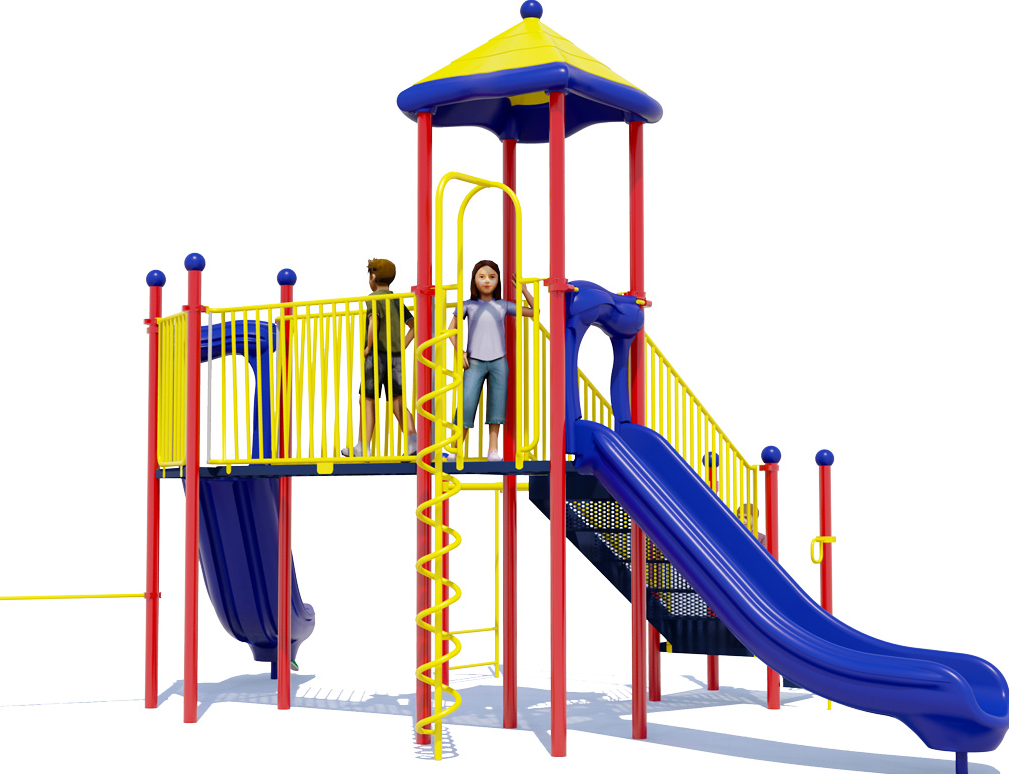
The American Society for Testing and Materials (ASTM) plays a crucial role in defining safety standards for playground equipment. ASTM F1487-17 is the specific standard that outlines the safety specifications for public playground equipment. It covers several aspects, including:
 European Standards: EN 1176
In Europe, the EN 1176 standard provides a framework similar to the ASTM regulations but includes some unique elements reflective of European safety concerns:
European Standards: EN 1176
In Europe, the EN 1176 standard provides a framework similar to the ASTM regulations but includes some unique elements reflective of European safety concerns:
- Shock-absorbing surfaces: The standard requires playgrounds to use materials like rubber mulch or engineered wood fiber that can cushion falls effectively. For instance, surfaces should attenuate the impact to a critical fall height of up to 12 feet, depending on the equipment height.
- Equipment dimensions and spacing: There are strict guidelines on the dimensions of playground components. Openings must be smaller than 3.5 inches or larger than 9 inches to prevent head entrapment, and platforms higher than 30 inches must have guardrails.
- Maintenance and inspection protocols: Regular maintenance checks are mandated to ensure all equipment remains in good condition, free from potential hazards like protruding bolts or splintered wood.
- Age-appropriate design: Playgrounds should have separate areas for children aged 2-5 and 5-12 to accommodate different levels of motor skills and play styles.
- Proper signage: Safety signs should be prominently displayed, indicating the appropriate age group for each equipment piece and any potential hazards.
- Visibility and supervision: Playground design should facilitate easy supervision. Play structures should not obstruct sight lines, allowing parents and guardians to keep a visual on children at all times.
European Standards: EN 1176
In Europe, the EN 1176 standard provides a framework similar to the ASTM regulations but includes some unique elements reflective of European safety concerns:
- Materials used: The standard specifies that all materials should be non-toxic and flame retardant. Additionally, it requires that metals used must resist corrosion to prevent weakening over time.
- Noise levels: European standards also consider the acoustic impact of playground equipment, setting limits on noise levels to prevent hearing damage among children.
- Accessible surfacing: All pathways and play areas must be navigable by children in wheelchairs, and surfaces around playground equipment should allow for easy mobility.
- Adaptive equipment: Playgrounds should include equipment that is usable by children with various types of disabilities. This could include ramps for wheelchair access or sensory-friendly activities for children with sensory processing disorders.